

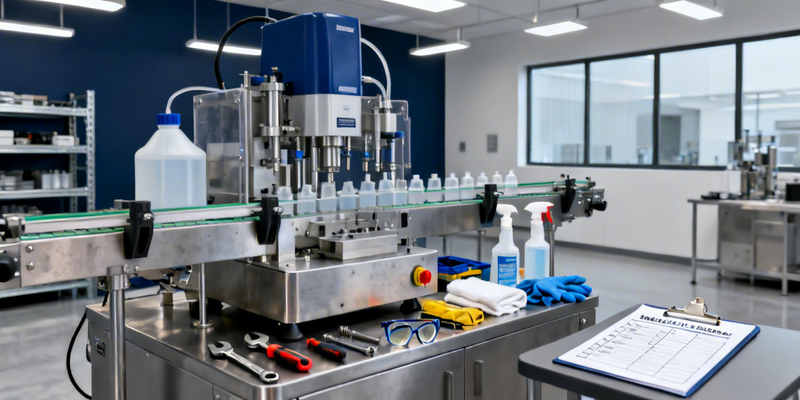
Your filling machine is the heart of your production, but unexpected downtime1 can be a disaster. This stops everything, causes delays, and costs you money. Simple maintenance can prevent these problems.
To best maintain a liquid filling machine2, you should clean it regularly, check key parts like seals and nozzles3, lubricate moving components, and calibrate the system often. Also, keep the machine's environment dry and safe with a stable power supply to prevent electrical issues4 and ensure longevity.
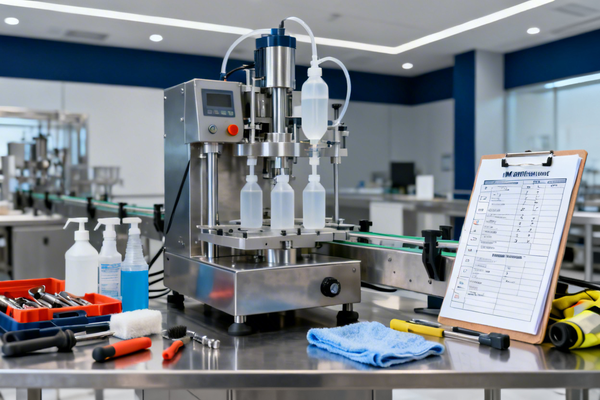
I've been in this business for over a decade, and I've seen how a little care can make a huge difference. A well-maintained machine from a company like ours, Rito5 Machinery, can run for years without major issues. But even the best machines need proper attention. It’s not about complex engineering; it's about building good habits. Let's break down the essential steps that will keep your production line6 humming and protect your investment. These simple routines are the secret to avoiding big, expensive repairs down the road.
Should you clean your filling machine after every use?
Leftover product residue7 in your machine seems small, but it causes big problems. It can harden, clog nozzles, and even contaminate your next production run. A quick flush fixes this.
Yes, you should absolutely clean the machine after use, especially when changing products. This prevents cross-contamination8 and residue buildup that can clog nozzles and pipes. A thorough flush of all contact parts ensures consistent performance and protects the quality of your product.
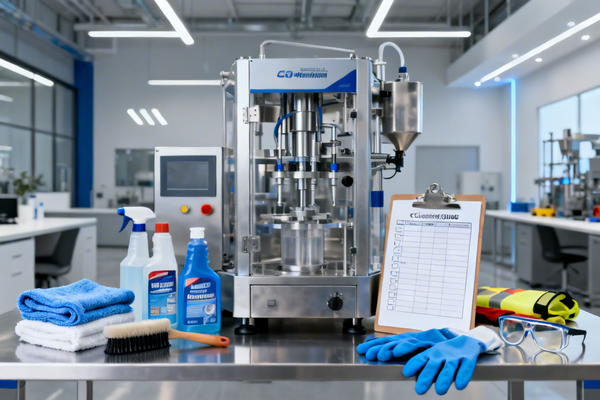
Regular cleaning is the most important maintenance task you can perform. I’ve seen machines fail simply because small amounts of product were left to build up over time. This buildup doesn't just affect performance; it can also corrode expensive parts, leading to leaks and costly replacements. The key is to make cleaning a non-negotiable part of your daily shutdown procedure. It’s not just about flushing the lines. You need a systematic approach that covers all product contact points. At Rito5 Machinery, we design our equipment with easy-to-disassemble parts to make this process as simple as possible. A good cleaning routine9 is your first line of defense against unexpected downtime1 and ensures your product remains pure.
Key Cleaning Areas & Schedule
| Part to Clean | Frequency | Why It's Important |
|---|---|---|
| Nozzles/Filling Heads | After every use | Prevents dripping, ensures accurate fills, stops clogs. |
| Pipes & Hoses | After every use | Avoids cross-contamination8 between batches. |
| Product Hopper/Tank | Daily | Removes old residue that can spoil new product. |
| Machine Exterior | Weekly | Keeps dust and debris out of moving parts. |
What are the most common parts that fail on a filling machine?
You think your machine is running perfectly, and then it just stops. Often, a tiny, worn-out seal is the cause of a major leak and a full production halt.
The most common failure points are parts that experience constant wear, like seals, O-rings, valves, and nozzles. These components handle friction and direct product contact, causing them to degrade over time. Regular inspection and timely replacement are essential to prevent leaks and filling inaccuracies.
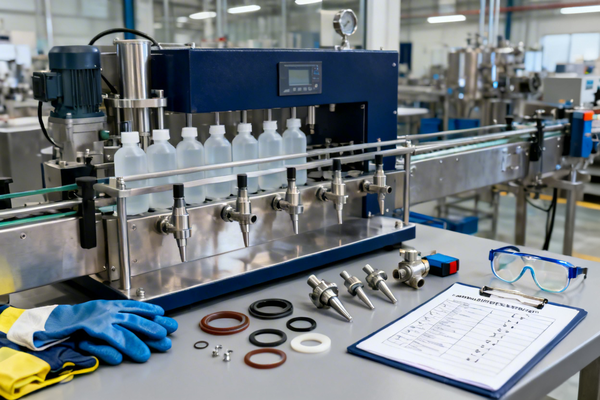
From my experience, it's almost always the small, inexpensive parts that cause the biggest headaches. A five-dollar O-ring can fail and bring a hundred-thousand-dollar production line6 to a standstill. That's why a routine inspection is so critical. You don't need to be a master technician to do it. It's about looking and listening. Are there any drips or leaks around the seals? Do you hear any strange noises from the motor or belts? Catching these small signs early saves you from a much bigger problem later. We always tell our clients at Rito5 to create a simple weekly checklist. This proactive approach turns a potential emergency into a simple, planned parts-swap. It’s the difference between a five-minute fix and a full day of lost production.
Essential Inspection Checklist
| Component | What to Check For | Recommended Action |
|---|---|---|
| Seals & O-Rings | Cracks, brittleness, or any signs of leaking. | Replace immediately if wear is visible. |
| Valves | Sticking, slow response, or not closing completely. | Clean and lubricate. Replace if problem persists. |
| Nozzles | Clogging, dripping, or an uneven spray pattern. | Clean thoroughly. Replace if damaged. |
| Conveyor Belts | Fraying, tearing, or slipping. | Adjust tension. Replace if damaged. |
How often should you lubricate and calibrate your filler?
Your machine is moving, but is it moving smoothly and accurately? Stiff mechanical parts and incorrect fills can damage the machine and ruin your product quality10. A simple schedule prevents this.
Lubrication should be checked monthly, or more often in high-use environments, to keep mechanical parts moving smoothly. Calibration, especially for weighing fillers, needs to be verified weekly or whenever you notice inconsistencies to ensure every fill is precise and you aren't wasting product.
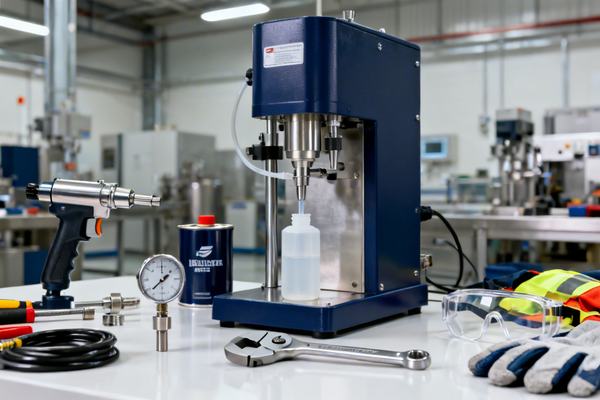
Lubrication and calibration11 are two sides of the same coin: precision. Without proper lubrication12, moving parts like pistons and gears create friction. This not only causes them to wear out faster but also affects the consistency of the filling cycle. The machine starts to work harder, which can lead to motor strain and inaccurate fills. On the other hand, calibration11 directly controls accuracy. I once visited a customer who was losing thousands of dollars a month because their weighing filler was overfilling every bottle by just a few grams. They hadn't calibrated it in six months. We build our Rito5 weighing filling systems to be very stable, but regular checks are still vital. Think of it like tuning an instrument—you have to do it regularly to keep it playing perfectly.
Sample Maintenance Schedule
| Task | Frequency | Purpose |
|---|---|---|
| Lubrication | Monthly | Reduces friction and wear on all moving parts. |
| Calibration Check | Weekly | Ensures fill volume/weight accuracy. |
| Full Calibration | Quarterly or as needed | Resets the machine to perfect accuracy. |
| Electrical Check | Monthly | Inspects wires and connections for safety. |
Can the factory environment13 affect your filling machine's performance?
You have checked all the mechanical parts, but you still have problems. The issue might not be the machine itself, but its surroundings, like moisture, dust, or unstable electricity.
Yes, the environment is critical. Moisture can short-circuit electrical panels, dust can clog filters and moving parts, and unstable power can damage sensitive electronics. Keeping the area clean, dry, and providing a stable power supply is crucial for your machine's long-term health and reliability.
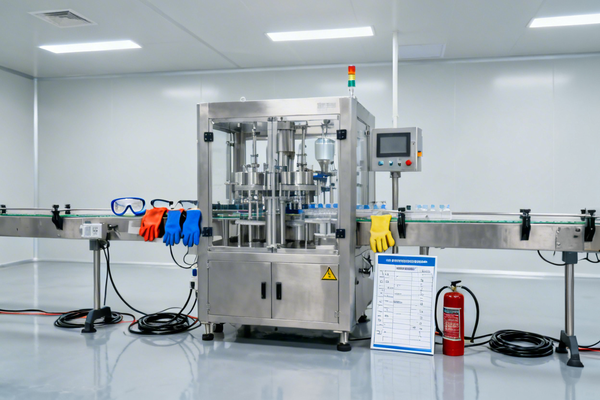
I always remind people that a filling machine doesn't exist in a vacuum. It's part of a larger system, and that includes the room it's in. One of the worst things for the electronics in a control panel is moisture. I’ve seen production line6s go down after a weekend because someone used a pressure washer to clean the floor nearby and water got into the panel. Similarly, unstable power is a silent killer. Power surges can fry a circuit board in an instant, leading to a very expensive repair. That's why we at Rito5 build our machines to be robust, but we also advise our customers to protect their investment with simple environmental controls14. A clean, dry workspace and a good voltage stabilizer are cheap insurance against very costly failures. It's a foundational part of maintenance that is too often ignored.
Environmental Do's and Don'ts
| Do | Don't |
|---|---|
| Keep the area dry and well-ventilated. | Don't use high-pressure water near electrical panels. |
| Use a dedicated, stable power source. | Don't plug other heavy machinery into the same circuit. |
| Clean up spills and dust around the machine daily. | Don't let dust and debris accumulate on or in the machine. |
| Train all operators on safety and proper use. | Don't allow untrained staff to operate or adjust the machine. |
Conclusion
Regular cleaning, inspection, and care are not chores; they are an investment. These simple steps will keep your liquid filling machine2 running efficiently, saving you time and money.
Discover strategies to minimize downtime and keep your production line running smoothly. ↩
Explore this resource to learn essential maintenance tips that can extend the life of your liquid filling machine. ↩
Understand the importance of seals and nozzles and how to maintain them for optimal performance. ↩
Understand potential electrical problems and how to prevent them for machine longevity. ↩
Explore Rito Machinery's expertise in liquid filling solutions and discover how their equipment can enhance your production efficiency. ↩
Explore strategies to enhance production line efficiency and reduce downtime. ↩
Find techniques for thorough cleaning to prevent residue buildup and maintain machine efficiency. ↩
Learn effective methods to avoid cross-contamination and maintain product integrity. ↩
Find out how a systematic cleaning routine can prevent costly repairs and ensure product quality. ↩
Find out best practices to maintain high product quality throughout the filling process. ↩
Explore the significance of regular calibration to ensure accurate fills and prevent waste. ↩
Get insights on lubrication schedules to keep your machine running smoothly and efficiently. ↩
Discover how environmental factors can impact machine performance and reliability. ↩
Learn about the environmental factors that can affect machine performance and how to mitigate them. ↩