

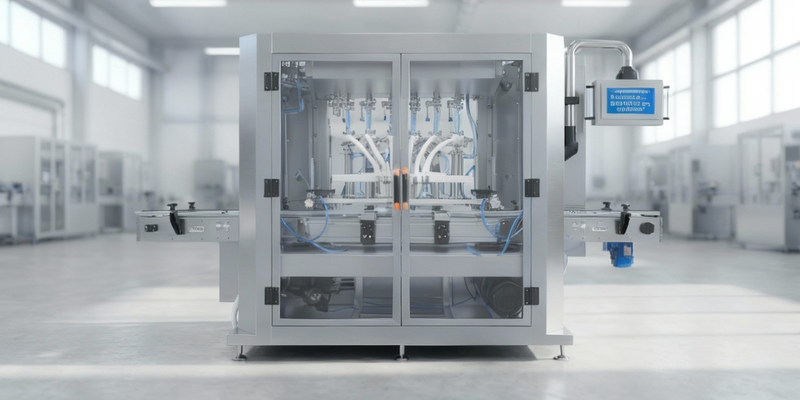
Worried about your filling machine's lifespan? Unexpected downtime costs money and halts production. Knowing how long it lasts helps you make a smarter investment for your business's future.
An automatic liquid filling machine1 can last 10 to 20 years, or even longer. Its lifespan heavily depends on build quality2, how often you use it, and how well you maintain it. Regular maintenance is the key to maximizing its operational life and ensuring reliability.
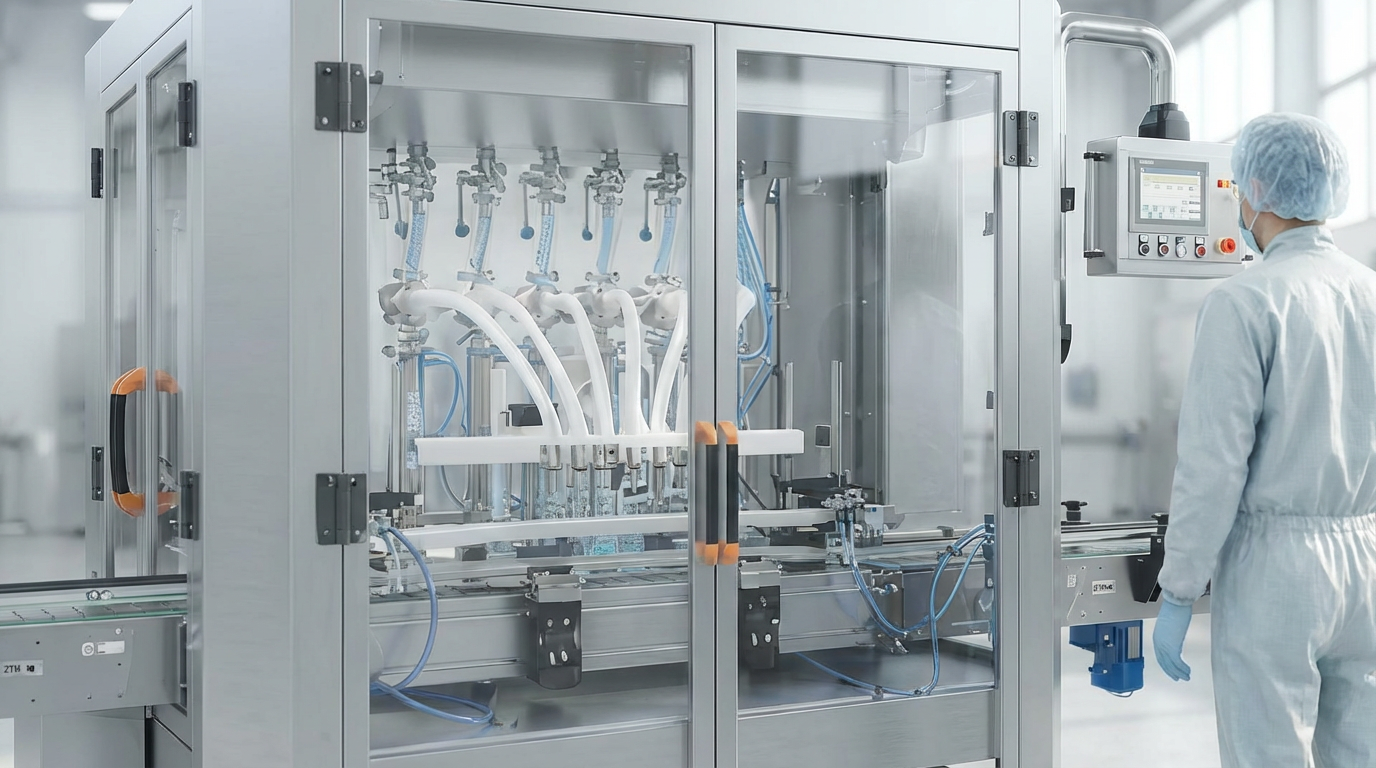
Investing in a new machine is a big step. You want to be sure it will serve your business for years to come. In my years at RITO3, I've seen how certain factors can make a huge difference in equipment longevity. It’s not just about the initial purchase, but about the entire life cycle of the machine. Let's explore what really determines how long your equipment will last.
What factors influence the lifespan of a liquid filling machine?
Does it feel like some machines last forever while others fail early? The reasons are not a mystery. Understanding these key factors gives you more control over your equipment's life.
Key factors are build quality2, usage frequency, the type of liquid being filled, and your maintenance routine4. High-quality materials and regular care significantly extend a machine's life, while harsh products or overuse can shorten it.
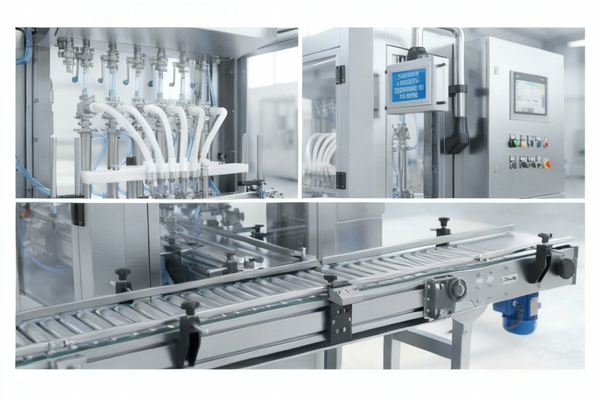
When we started Guangzhou RITO3 Packaging Machine Co., Ltd. back in 2013, our goal was to build machines that last. We knew from experience that cutting corners on materials or design always leads to problems down the road. The lifespan of a filling machine is not one single thing, but a combination of several important elements. Let's break them down.
Build Quality and Materials
The foundation of a long-lasting machine is its construction. We insist on using high-quality materials5 because they resist wear and corrosion. For example, the choice between different grades of stainless steel can have a huge impact, especially depending on the product you are filling.
| Material | Best For | Key Benefit |
|---|---|---|
| 304 Stainless Steel | General purpose, food & beverage | Good corrosion resistance, cost-effective |
| 316L Stainless Steel | Corrosive liquids, pharmaceuticals | Superior resistance to chlorides and acids |
Our R&D team, with over 20 years of experience, carefully selects every component, from the frame to the smallest seal. This focus on quality ensures the machine can handle the demands of daily production without premature failure.
Operational Intensity
How you use the machine matters. A machine running 24/7 will naturally experience more wear than one running a single shift. High-speed operations also put more stress on moving parts. That's why we design our equipment to be robust, but we also advise customers to choose a machine rated for their specific production needs6. Pushing a light-duty machine too hard is a sure way to shorten its life.
Product Characteristics
The liquid you are filling plays a big role. Abrasive, acidic, or very thick liquids can be tough on a machine. For instance, a client filling a high-salinity sauce noticed wear on their filling nozzles much faster than a client filling water. This is why we offer customized solutions7, using materials like titanium or special polymers for parts that come into contact with aggressive products. Understanding your product is the first step to choosing a machine that will endure.
How does proper maintenance extend the life of your machine?
Is skipping maintenance tempting to save time? This short-term gain often leads to long-term pain. A simple routine can prevent costly breakdowns and add years to your machine's life.
Proper maintenance prevents wear and tear, ensures parts work correctly, and catches small problems before they become big ones. A consistent schedule of cleaning, lubrication, and inspection is the most effective way to guarantee longevity and performance.
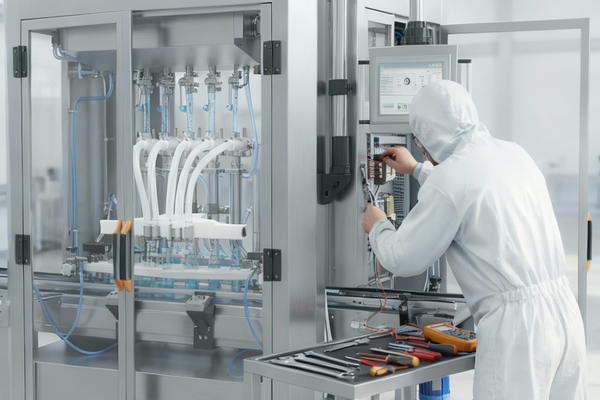
I remember a client in Indonesia who was having issues with inconsistent fills. During a service call, we found that a simple lack of regular cleaning and lubrication was causing the piston seals to wear out prematurely. We helped them create a simple maintenance checklist8. A year later, they reported the machine was running like new and their downtime had dropped to almost zero. This is a perfect example of how a little care goes a long way. At RITO3, we provide lifetime service and support because we believe our job isn't done after the sale. A well-maintained machine is a productive machine.
A Simple Maintenance Schedule
A proactive maintenance plan is your best defense against unexpected failures. It doesn't have to be complicated. Here is a basic schedule you can adapt for your machine.
| Frequency | Task | Purpose |
|---|---|---|
| Daily | Clean product contact parts. | Prevents contamination and buildup. |
| Check for leaks. | Catches seal failures early. | |
| Weekly | Lubricate moving parts (chains, bearings). | Reduces friction and wear. |
| Inspect sensors and safety guards. | Ensures safe and accurate operation. | |
| Monthly | Check and tighten bolts and fittings. | Prevents issues from vibration. |
| Calibrate filling nozzles. | Maintains fill accuracy and consistency. |
The Importance of Genuine Parts
When a part does wear out, it’s tempting to use a cheaper, third-party replacement. However, original manufacturer parts are designed to fit and perform perfectly with your specific machine. Using non-genuine parts9 can cause other components to fail and may even void your warranty. We always recommend using authentic parts to ensure the continued reliability and longevity of your equipment.
When should you replace versus repair your filling machine?
Is your old machine causing more problems than it solves? Deciding whether to repair or replace is a tough call. Making the wrong choice can be a costly mistake for your business.
You should repair your machine if the issues are minor, like replacing worn seals or a faulty sensor. Consider replacing it when repair costs exceed 50-60% of a new machine's price, or if it no longer meets your production needs6.
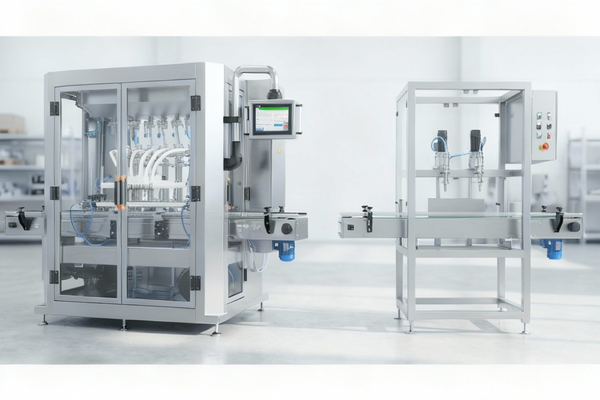
Deciding to part with an old machine can be difficult, especially if it has served you well. However, holding on for too long can cost you more in the long run. The key is to look at the situation objectively. We work with businesses all over the world, from startups in Vietnam to large factories in Germany, and this decision is a universal challenge. The right answer depends on a clear-eyed analysis of cost, performance, and future needs.
Analyzing the Costs
The most straightforward factor is cost. A good rule of thumb is the 50% rule. If the estimated cost of a major repair is more than half the price of a new, comparable machine, replacement is usually the better financial choice. Think beyond just the repair bill. You also need to factor in the cost of downtime10 while the machine is being fixed.
| Scenario | Repair Action | Replace Action |
|---|---|---|
| Frequent Breakdowns | Continue paying for repairs and lost production. | Invest once in a new, reliable machine. |
| Obsolete Parts | Spend time and money searching for rare parts. | Gain access to modern tech and available parts. |
| Changing Needs | Try to modify an old machine to keep up. | Get a machine designed for your new products. |
Evaluating Performance and Future Goals
Sometimes, a machine works but just can't keep up anymore. If your business is growing, you may need higher speeds, better accuracy, or the ability to handle new types of containers. An older machine might not be capable of these upgrades. A new machine not only solves your current production bottlenecks11 but also gives you the flexibility to grow in the future. At RITO3, our "Exclusive customization" service helps clients get a machine that is perfectly tailored to their current and future production goals.
The Return on Investment (ROI)
A new machine is an investment, not just an expense. Modern machines are often more energy-efficient, produce less waste, and require less manual oversight, all of which save you money over time. When you calculate the ROI, you'll often find that a new machine pays for itself faster than you think through increased efficiency and reduced operating costs.
Conclusion
In summary, a liquid filling machine's lifespan is in your hands. Quality, use, and consistent maintenance are key. Proper care ensures your equipment remains a valuable, long-term asset12.
Understanding the lifespan helps in making informed investment decisions for your business. ↩
Explore how superior build quality can enhance the longevity of your equipment. ↩
Explore RITO's official site to discover their innovative filling machines and commitment to quality, ensuring long-lasting performance. ↩
A solid maintenance routine can significantly extend the life of your machine. ↩
Learn how using high-quality materials can prevent premature wear and tear. ↩
Understanding your production needs is crucial for selecting the right equipment. ↩
Customized solutions can enhance efficiency and meet specific production needs. ↩
A comprehensive checklist can help ensure your machine runs smoothly and efficiently. ↩
Using genuine parts ensures compatibility and reliability, extending your machine's life. ↩
Understanding the cost of downtime can help in making better operational decisions. ↩
Identifying bottlenecks can help in optimizing production processes. ↩
Recognizing machinery as a long-term asset can influence investment strategies. ↩