

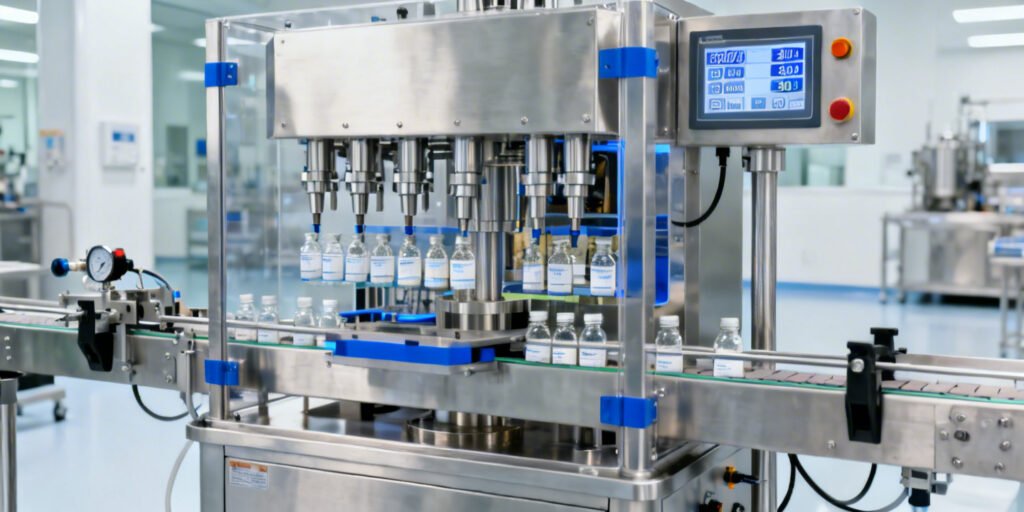
Building a precise small-volume filler can feel complex. You risk inconsistent fills and product waste. I will guide you through the key components to build your own machine.
To build a 5ml–30ml liquid filling machine1, you need a precise dosing system2 like a piston or peristaltic pump3, a variable-speed motor, and a control system. Key parts include a tank, nozzles, sensors, and a stainless steel4 frame for hygiene and durability. This setup ensures accuracy and efficiency.
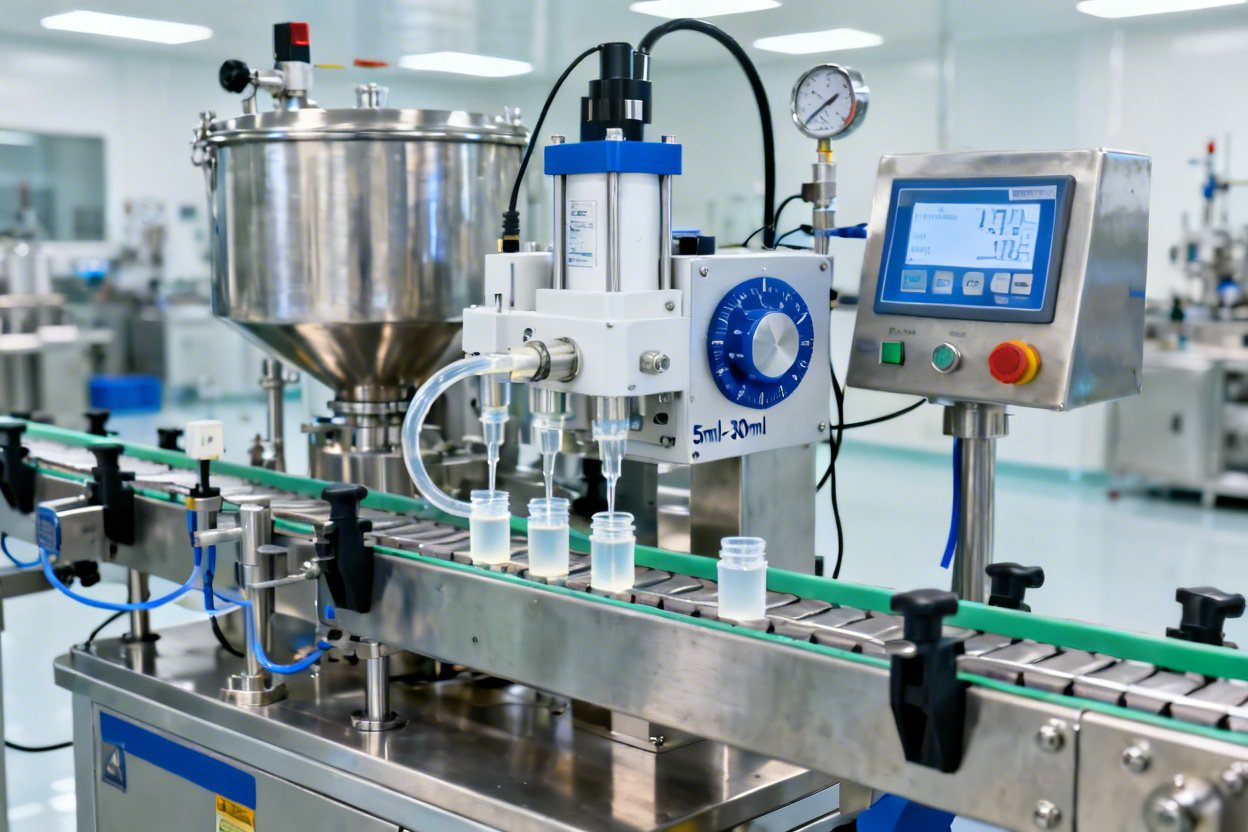
It might seem like a lot to take in at once. But don't worry. I've been in this business for over a decade, and I remember feeling the same way when I started. We're going to break down each part step-by-step so it all makes sense. Let's start with the heart of the machine: the system that measures and dispenses the liquid.
What is the best dosing system2 for small volumes?
Choosing the wrong pump leads to inaccurate fills. This wastes expensive liquids and can ruin your product's reputation. Let's make sure you pick the right one for perfect precision.
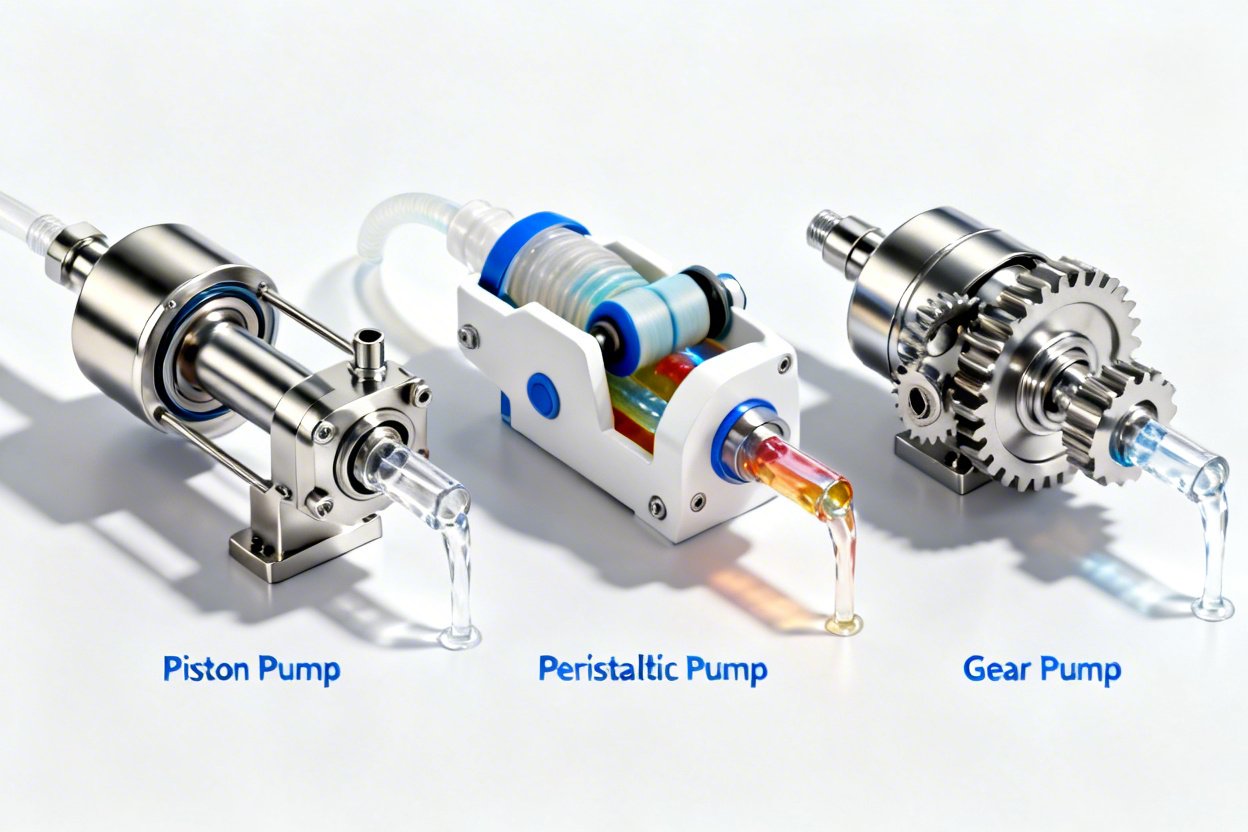
The best dosing system2 depends on your liquid. A piston pump5 is great for accuracy with various viscosities. A peristaltic pump3 is ideal for sterile applications. A gear pump6 works well for thicker, non-abrasive liquids.
Let's dive deeper into these options. The choice you make here will define your machine's performance. When I first started working with a cosmetics company, they were struggling with their essential oil filler. We found their pump was all wrong. Choosing the right one is critical.
Here’s a simple breakdown to help you decide:
| Pump Type | Best For | Accuracy | Maintenance |
|---|---|---|---|
| Piston Pump | Liquids from thin to thick (e.g., oils, creams) | Very High | Moderate |
| Peristaltic Pump | Sterile liquids (e.g., eye drops, pharma) | High | Very Easy |
| Gear Pump | Thicker, non-abrasive liquids (e.g., lotions) | Good | Low |
A piston pump5 works like a syringe. It pulls back to draw a very precise volume of liquid into a cylinder, then pushes forward to dispense it. This makes it incredibly accurate for small 5ml to 30ml fills. It's a workhorse for many industries.
A peristaltic pump3 is unique. The liquid flows through a flexible tube that never touches the pump's mechanical parts. Rollers squeeze the tube to move the liquid forward. This is perfect for sterile products like eye drops or pharmaceuticals because it eliminates any risk of contamination. Plus, changing the tube is all it takes to clean it.
A gear pump6 uses interlocking gears to move liquid. It provides a continuous, smooth flow and is great for thicker products like lotions. It's a simple and reliable choice if your product fits its capabilities.
How do controls and sensors7 improve filling accuracy?
Manual filling is slow and inconsistent. You can't scale your business with so many human errors. Automated controls and sensors7 are the simple answer to this production problem.
Controls and sensors automate the filling process. A control system lets you set the fill volume and speed. Sensors detect when a bottle is in place, triggering the fill cycle and preventing spills or missed fills, which boosts both efficiency and accuracy.
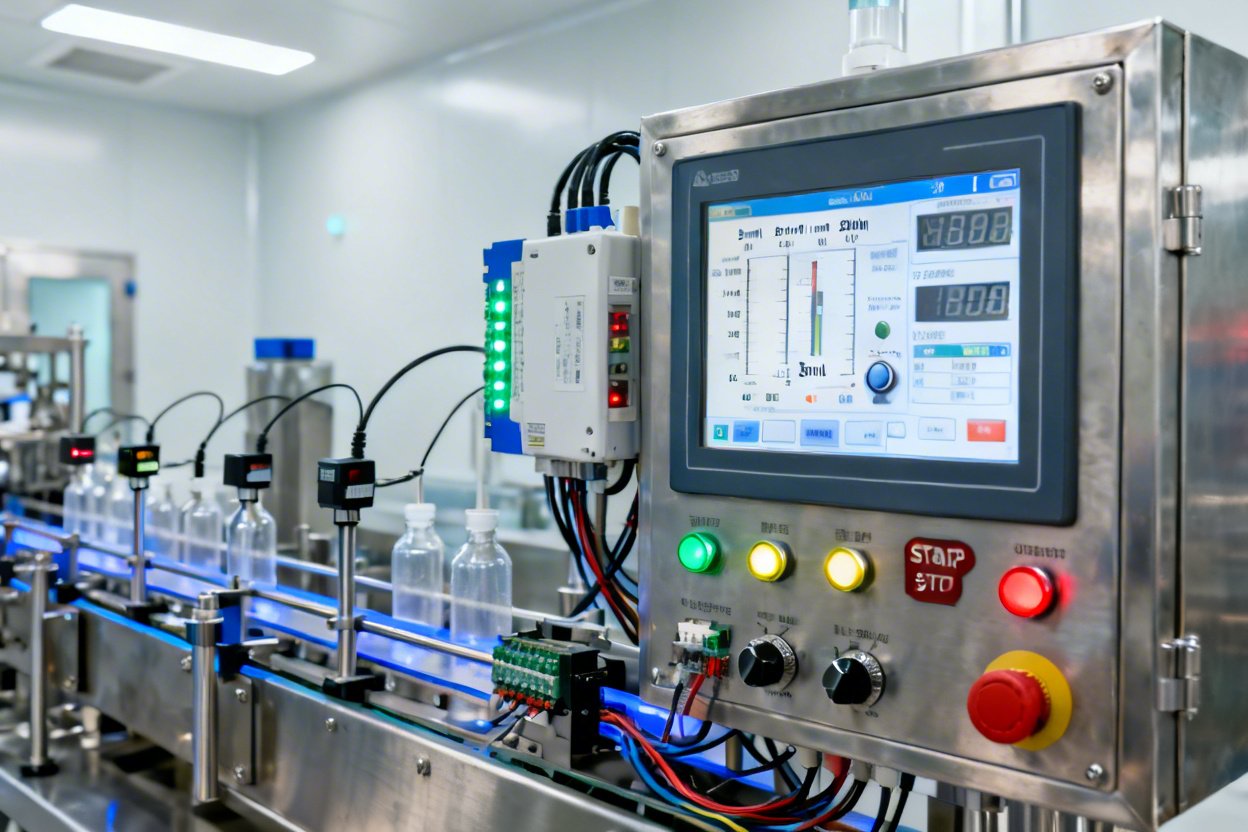
The "brain" of the machine is usually a PLC (Programmable Logic Controller8). This is what you interact with to tell the machine what to do. You can set the fill volume, the speed of the motor, and other parameters on a simple touchscreen. This is where automation really shines.
Sensors are the machine's "eyes". The most important logic they enable is what we call "No Bottle, No Fill9". An optical sensor sits right before the filling nozzle. It sends a signal to the PLC when it detects a bottle is in the correct position. Only then will the PLC command the pump to dispense the liquid. If the conveyor is running but there's a gap and no bottle is present, the machine simply waits. This single feature prevents huge messes and saves a massive amount of wasted product. I remember a client who was having terrible problems with spills. We installed a simple sensor, and it solved their problem overnight.
Furthermore, the control system manages the variable-speed motor. This allows you to fine-tune the filling process. For example, you can start the fill quickly but slow down at the end to prevent foaming or splashing, which is crucial for products like e-liquids or serums.
Why is stainless steel4 necessary for the machine's construction?
Using the wrong materials can contaminate your product. This could lead to product recalls and seriously damage your brand's reputation. You need to choose a material that is safe, clean, and durable.
Stainless steel, like SS30410 or SS31611, is necessary for hygiene, durability, and regulatory compliance. It is non-reactive and easy to clean, which prevents product contamination and is vital in the food, cosmetic, and pharmaceutical industries.
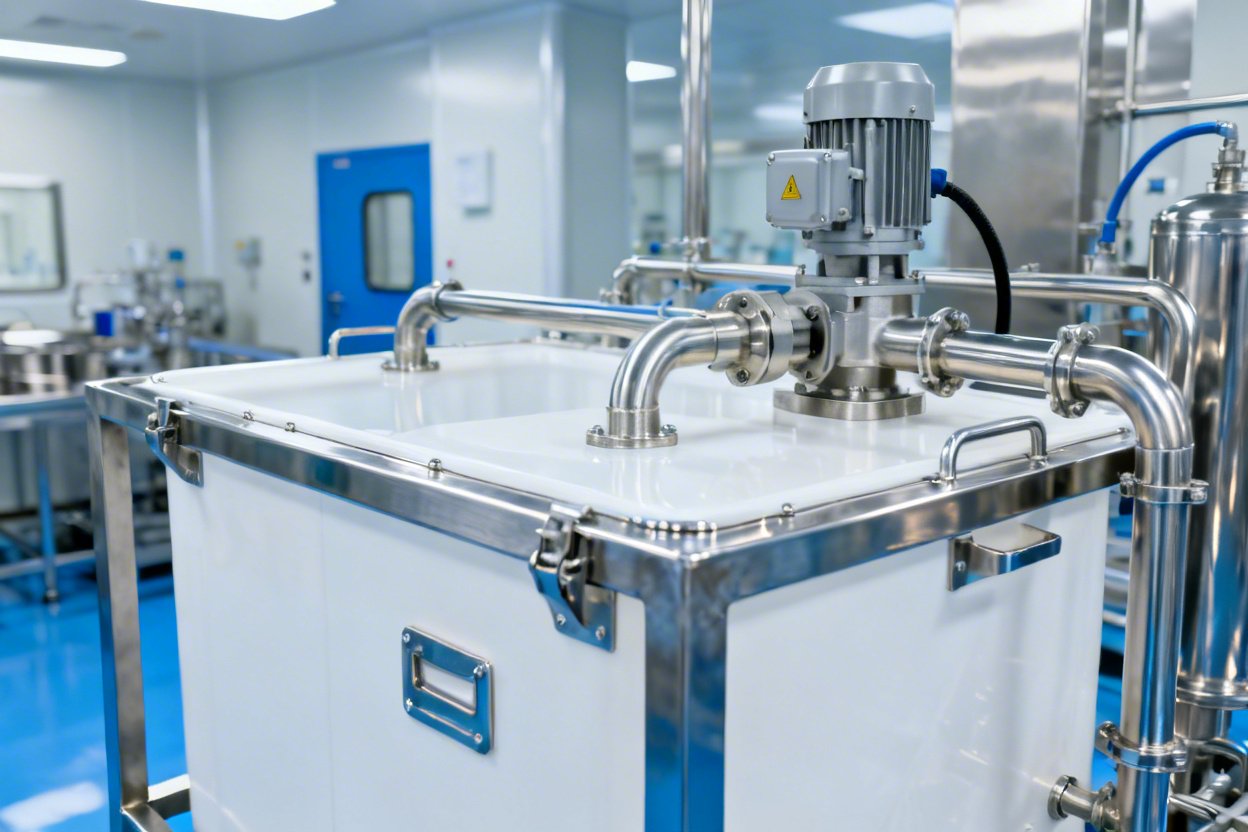
When building a filling machine, especially for products that people consume or put on their skin, the material choice is not just a suggestion—it's a requirement. All the parts that come into contact with your liquid—the tank, the pipes, the nozzles, and the pump head—must be made from a food-grade or pharmaceutical-grade material.
The two most common choices are SS30410 and SS31611
- SS30410 is the industry standard for most food and cosmetic applications. It offers excellent corrosion resistance and is very easy to clean. For products like juices, oils, or standard lotions, SS30410 is a perfect and cost-effective choice.
- SS31611 is a step up. It contains molybdenum, an element that dramatically increases its resistance to corrosion from chlorides and other harsh chemicals. If you are filling anything salty, acidic, or medically sensitive, you need SS31611. It’s mandatory in many pharmaceutical applications to meet GMP (Good Manufacturing Practice) standards.
I once worked with a startup that bought a cheaper machine not made with the right steel. Their product started failing quality control tests, and they couldn't figure out why. It turned out the machine's parts were reacting with their formula. We helped them switch to an SS31611 machine, and the problem was solved. It's a lesson you only want to learn once.
What other equipment completes a 5ml-30ml packaging line12?
Just filling the bottles is not the end of the story. You still have to cap and label them, which can create huge bottlenecks. An incomplete production line slows down your entire operation.
A complete 5ml-30ml packaging line12 also needs a capping machine13 to seal the bottles and a labeling machine14 to apply branding and information. Integrating these machines creates a seamless, automated production flow15 from start to finish.
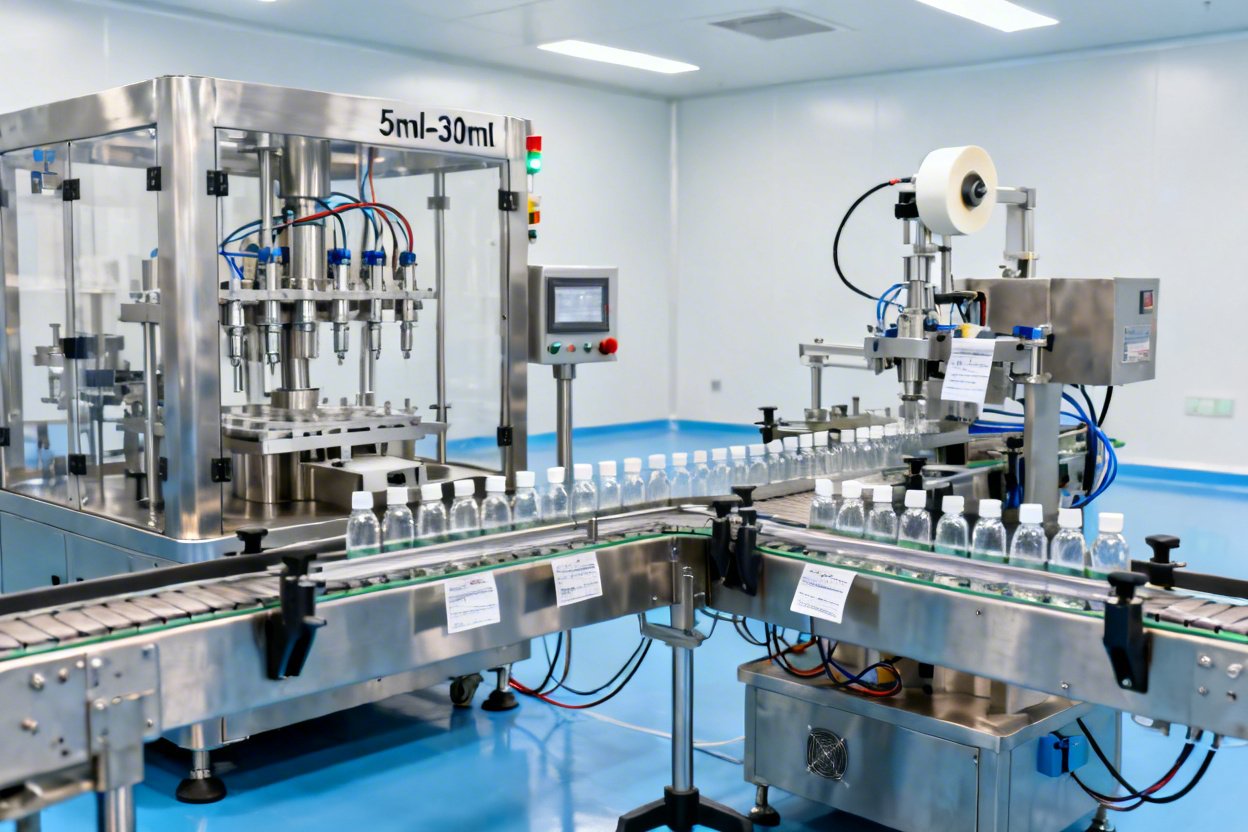
After your bottles are perfectly filled, they need to be sealed. A capping machine13 automates this process. For small bottles with screw-on caps, like those for essential oils or eye drops, a chuck capper is a common choice. It grips the cap and tightens it to a precise torque, ensuring every bottle is sealed consistently without being too tight or too loose.
Once capped, the bottles move to a labeling machine14. For small, round 5ml-30ml bottles, a wrap-around labeler is ideal. It takes a bottle from the conveyor, rolls it, and applies a pressure-sensitive label perfectly every time. This gives your product a professional look that is impossible to achieve by hand.
The real magic happens when these machines are integrated into a single, cohesive packaging line12. Conveyors move the bottles smoothly from the filler to the capper and then to the labeler. The entire line is synchronized, so the speed of each machine matches the others. Here at RITO16, we specialize in designing these complete solutions. We make sure the filler, capper, and labeler all "talk" to each other, which prevents jams and maximizes your output. We helped a small cosmetics brand go from filling a few hundred bottles a day by hand to several thousand, just by setting them up with a complete, integrated line17.
Conclusion
Building a 5ml–30ml filler involves choosing the right pump, controls, and materials. Integrating it into a full line with a capper and labeler will maximize your production efficiency.
Explore this resource to understand the essential design elements for an efficient liquid filling machine. ↩
Learn about various dosing systems to choose the best one for your specific liquid filling needs. ↩
Find out why peristaltic pumps are ideal for sterile applications and how they ensure product safety. ↩
Understand the significance of using stainless steel for hygiene and durability in filling machines. ↩
Discover the mechanics of piston pumps and why they are favored for accuracy in liquid filling. ↩
Understand the functionality of gear pumps and their best applications in liquid filling. ↩
Explore how automation through controls and sensors can enhance the efficiency of filling processes. ↩
Learn about the role of PLCs in automating filling processes and improving operational efficiency. ↩
Discover how this feature prevents waste and ensures accuracy in the filling process. ↩
Learn about SS304's benefits and why it's commonly used in food and cosmetic industries. ↩
Explore the advantages of SS316 in preventing contamination in sensitive applications. ↩
Learn about the essential equipment required to create an efficient packaging line for liquid products. ↩
Find out about different capping machines and how they ensure consistent sealing of bottles. ↩
Discover the technology behind labeling machines and their role in enhancing product presentation. ↩
Explore how automation can streamline production processes and increase efficiency. ↩
Explore RITO's expertise in designing integrated packaging lines to enhance your production efficiency and quality. ↩
Understand the advantages of integrating filling, capping, and labeling into a cohesive system. ↩